Budgets Don’t Lie…
Let me guess…
You’ve tried to “budget” before.
You opened a spreadsheet.
You downloaded an app.
You told yourself, “This is the month I get my money together.”
And then life happened.
Groceries cost more than you expected.
Your kid needed something for school.
Your car made a weird noise.
Or you were just tired and ordered takeout.
And suddenly… the budget felt useless.
If that sounds familiar, I want you to take a deep breath — because you’re not bad with money, and you’re not broken. You just haven’t been given a budgeting system that actually fits real life.
Let’s fix that 💛
A Quick Story (That Might Feel Uncomfortably Familiar)
A woman named Lisa once told me she “hated budgeting.”
She said, “Every budget I’ve tried feels like a punishment. It tells me everything I can’t do, and then I fail anyway.”
Lisa wasn’t irresponsible. She was a mom, worked full-time, had bills, a family, and about a million things pulling at her attention.
The problem wasn’t Lisa.
The problem was the budget.
Most budgets are built for robots — not real humans with emotions, responsibilities, bad days, and unexpected expenses.
So instead of forcing yourself into a system you hate, let’s build a simple budget that actually works with your life.
What a Budget Really Is (And Isn’t)
A budget is not:
❌ A punishment
❌ A restriction
❌ A list of things you’re not allowed to do
A budget is:
✅ A plan for your money
✅ A way to tell your money where to go instead of wondering where it went
✅ A tool for peace of mind
Think of your budget as a gentle guide, not a strict boss.
Step 1: Start With What You Actually Have
Before we plan anything, we need to know what we’re working with.
Write down:
- Your monthly income (after taxes)
- Any irregular income (side jobs, child support, freelance work)
This isn’t about judging the number — it’s just about clarity.
Money is a lot less scary when you’re looking at it instead of avoiding it.
Step 2: Cover the “Must-Haves” First
These are your needs — the things you must pay to live:
- Rent or mortgage
- Utilities
- Groceries
- Transportation
- Insurance
- Minimum debt payments
Write those down and total them.
This is your foundation.
Step 3: Make Room for Being Human
This is where most budgets fail.
You’re not a machine. You will:
- Want coffee
- Go out with friends
- Buy something nice once in a while
So instead of pretending you won’t, plan for it.
Create a small “fun money” category — even $50–$100.
This keeps you from feeling deprived and binging later.
Step 4: Pay Yourself (Even If It’s Small)
Saving doesn’t have to be huge to be powerful.
Start with:
- $10 per paycheck
- $25 per week
- Whatever feels possible
Label that account something encouraging like “Freedom Fund” or “Peace of Mind.”
Because that’s what you’re building.
Step 5: Keep It Simple
Your budget should fit on:
- One piece of paper
- Or one phone screen
Not 14 tabs, color-coded charts, and stress.
Simple is sustainable.
And sustainable is what works.
What Changed for Lisa
Once Lisa switched from a strict budget to a simple one, everything changed.
She stopped feeling guilty.
She stopped avoiding her money.
She stopped feeling like she was always behind.
And for the first time, she felt calm about her finances.
Not perfect.
Not rich.
But peaceful.
And that’s the real goal.
Your Budget Is Allowed to Change
Your life changes.
Your income changes.
Your needs change.
So your budget gets to change too.
There is no such thing as a “failed budget.”
There are only budgets that need adjusting.
Final Thought
You don’t need to be perfect with money to be good with money.
You don’t need discipline.
You don’t need deprivation.
You don’t need spreadsheets and stress.
You just need:
✔ Awareness
✔ A simple plan
✔ And kindness toward yourself
Start where you are. Start small. Start imperfect.
That’s how financial peace actually begins 💛
🌸 Want help getting started?
Download the Hidden Cash Checklist below to find extra money hiding in your budget and jumpstart your savings.
Need Help Getting Started?
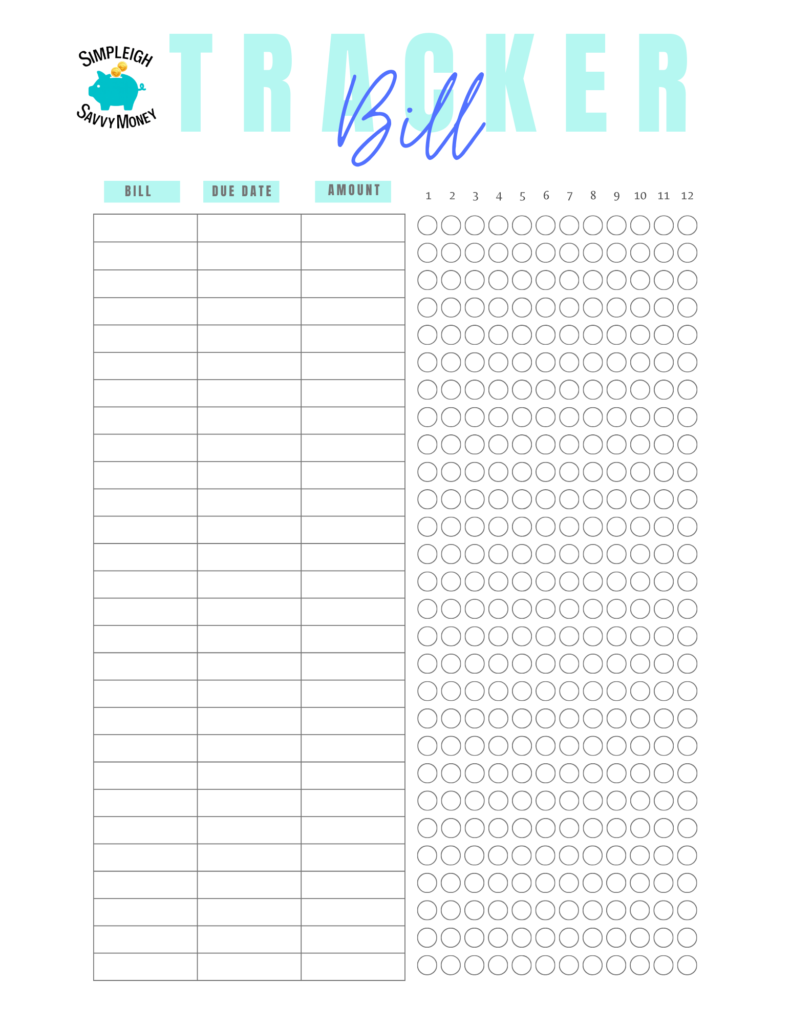
Download your FREE printable and start making progress today 💛